The feeling that love is only pain often stems from intense vulnerability, rejection, or loss, suggesting that the risk of heartbreak is inseparable from deep emotional connection. While some love experiences are defined by pain, others are seen as a healing force or an opportunity for growth.
Despite all these factors, love is, biochemically, an intense pain.
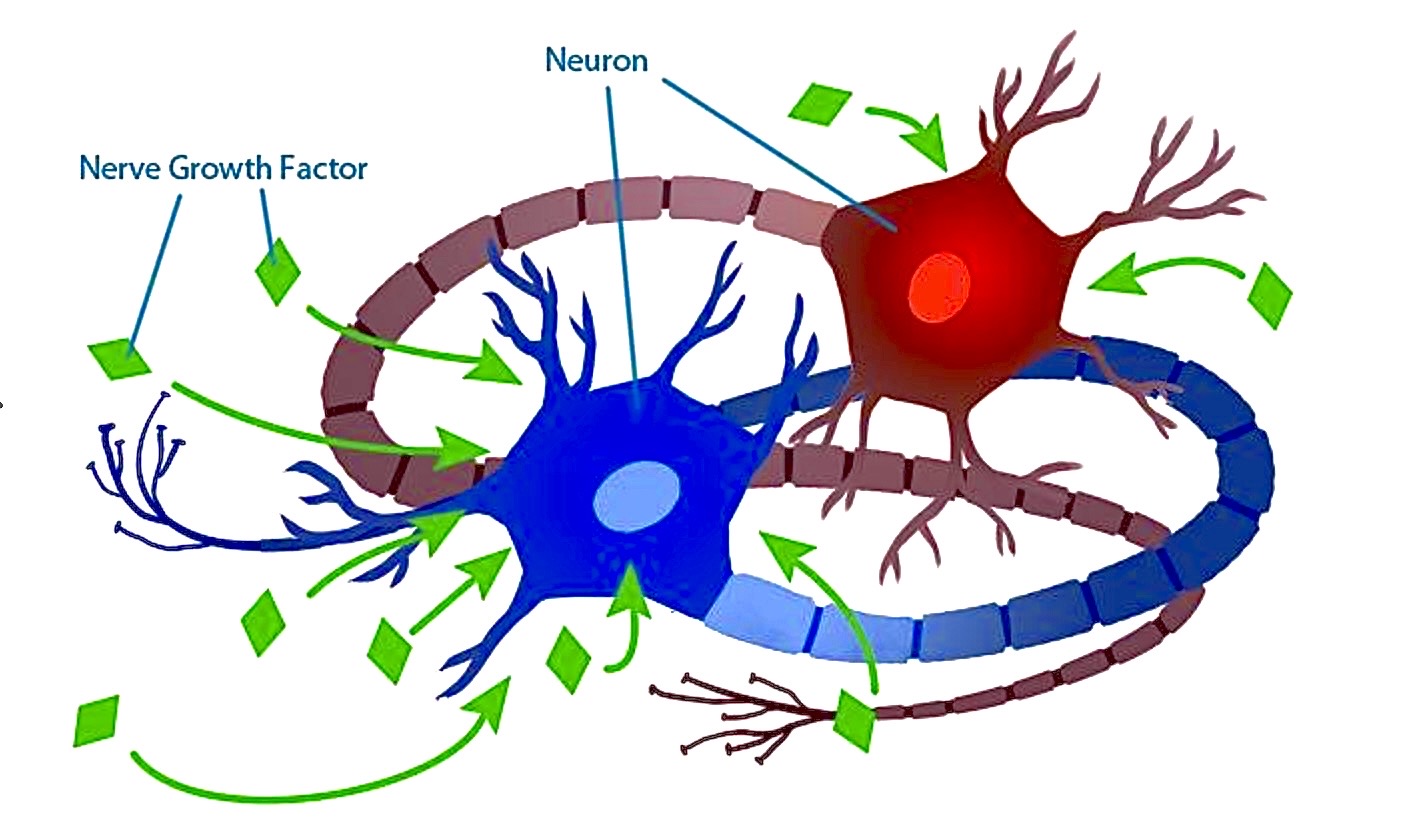
When a person begins to love, and especially when they fall in love, a substance in the brain increases significantly. The most important and critical pain-inducing substance in the human brain is a secretion called Neuro Growth Factor (NGF).
This phenomenon causes a similar, and sometimes even more intense, reaction in the brain when one is in love or loving, just as pain centers are activated in other situations (e.g., injury, etc.).
When you fall in love and feel affection, the biochemical changes and gene expressions that occur in both your brain and body are a clinically uncontrollable process, and love and affection are a state of severe and intense pain for the brain.
The situation becomes more critical if there is excessive weight gain, uncontrolled high blood sugar, vascular deformation that often shows no symptoms, or, worse, infection or tumors in the frontal lobe – most of which do not show symptoms until the very end. Personality deteriorates immediately. Oligodendrogliomas are particularly common in the frontal lobe.
There are two types of cells in the brain: neurons (nerve cells) and glia that maintain them.
The most common tumors in the brain are glial tumors.
When glial tumors are observed, and damage begins to occur in the frontal lobe, the condition develops into schizophrenia. In severe psychiatric conditions, the frontal lobe ceases to function because significant damage and dysfunction have occurred in the frontal lobe of the brain.
Therefore, a person cannot stop thinking about or worrying about the people they love or are in love with. This nourishment of dopamine and serotonin pathways leads to indescribable happiness, but conversely, it also causes a constant fear of loss, abandonment, betrayal, anger, panic attacks, and anxiety. However, everyone has a different pain threshold. Therefore, love and affection can often become obsessions and compulsions, even in the most unexpected people, and this can even lead to murder.
In psychiatry, addiction is considered a disease if it disrupts social life, but when we look at the increasingly distressing events in our country in recent years—which we only see reflected in the media—it’s quite possible to see that the damage caused by these issues in our brains and genetic makeup is only the tip of the iceberg.
I wish you good health.
With respect and regards…
Dr. Uğur Uğural