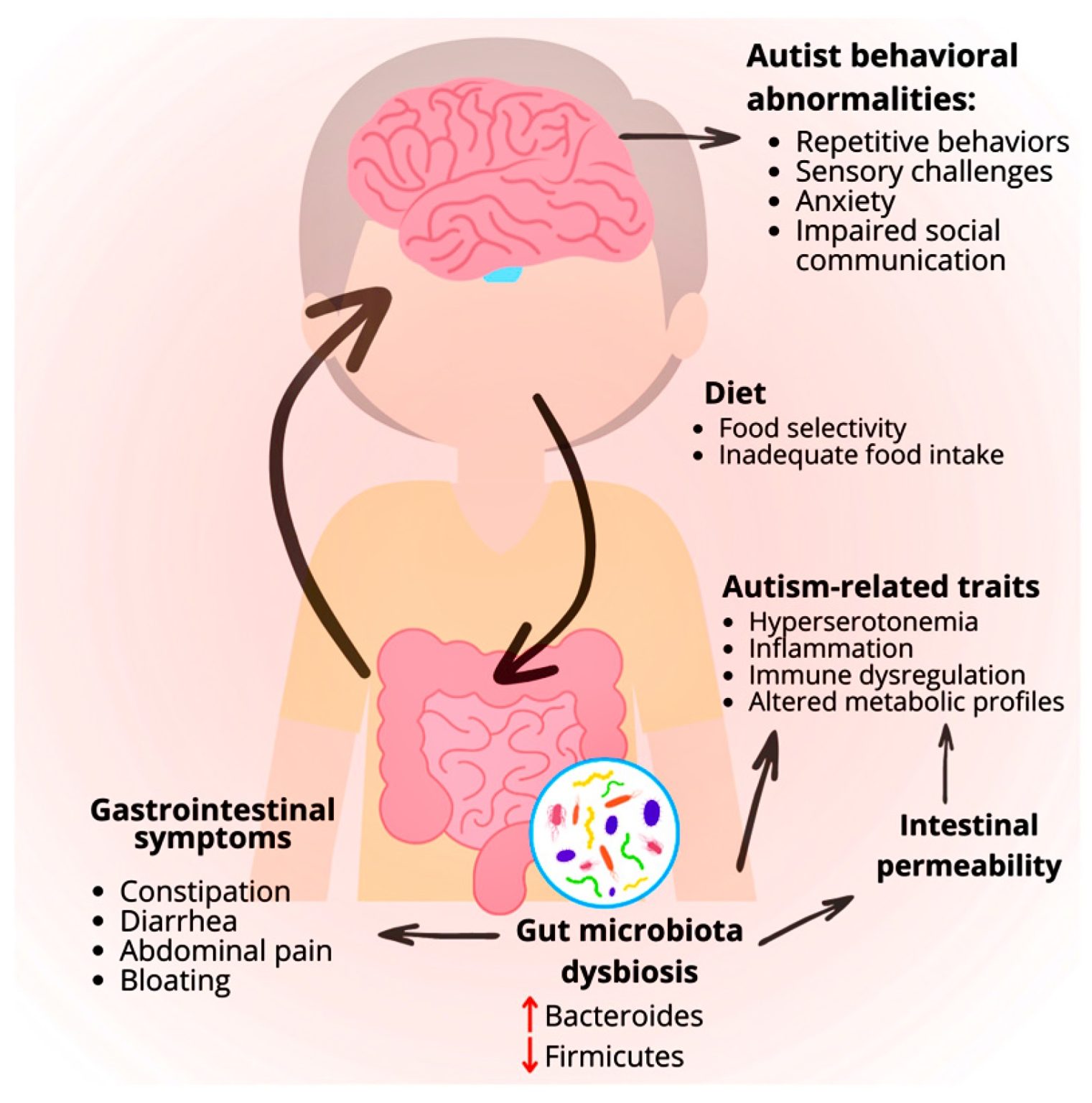
Autism, which affected 1 in 100,000 children in 1980, now affects 1 in 88 children. In response to this significant increase, studies and conferences worldwide are drawing attention to the relationship between autism and nutrition.
Considering current dietary habits in Turkish society, we can say that the biggest and most insidious danger in autism is the risk of non-celiac gluten sensitivity.
We see that gluten sensitivity is significantly common in all autistic children. I think it’s very important for parents to research, observe, and be informed about this. Gluten sensitivity, which we cannot detect with tests or diagnose with blood tests, can be discovered through certain psychological and biological symptoms. These are:
Depression in children
Attention deficit
Irritability, nervousness
Anxiety
Developmental delay
Motor neuron diseases
Diabetes in childhood (Type 1 diabetes)
Cravings for sweets and sugary foods
Recurrent anemia
Intestinal problems
The importance of a gluten-free diet in the relationship between autism and nutrition is vitally important, first for prospective parents and then for our children. Because autism begins in the womb.
I recommend that not only children, but also men considering fatherhood and women planning to become mothers, absolutely avoid processed foods with long shelf lives for at least 6 months before planning to have children, and that they eat plenty of fermented foods rich in probiotics.
I would like to share the comments of parents who have taken the time and effort to share their thoughts on this subject, via the link below. I believe that these observations will greatly enrich our knowledge.
facebook.com/Dr.U.Ugural/ÇOCUKLARDA OTİZM VE BESLENME İLİŞKİSİ
With my respect and regards, Uğur Uğural