
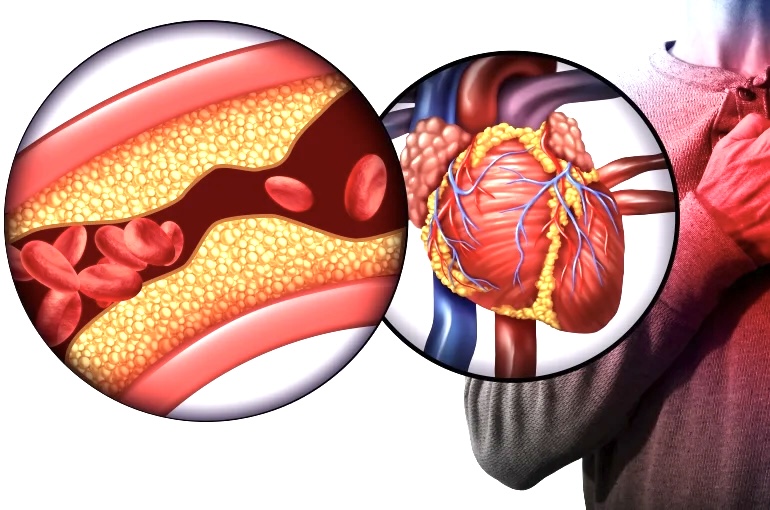
Most heart attacks are caused by blood clots forming when cholesterol plaques break off from the coronary arteries, blocking them. The lack of blood flow through the blocked arteries initially leads to DNA damage and subsequently to the death of heart muscle – hence the term “heart attack.”
However, I want to issue a critically important warning to my valued readers who are not participating in this program. As you know, there is no other deadly effect we are exposed to more intensely today than stress. Stress often manifests itself as the intense effort we expend to cope with physical/social maladjustments that exceed our capacity.
There is a highly fatal type of heart attack: stress cardiomyopathy. It is critically important that you, my valued readers, have detailed information about this subject.
Broken heart syndrome, also known as stress cardiomyopathy or takotsubo syndrome, occurs when a person experiences sudden acute stress that can rapidly weaken the heart muscle.
Until very recently, the most common triggers for this stress cardiomyopathy were physical (such as lung problems or infections), and the next most common cause was an emotional “shock.” However, in a significant number of patients, there was no identifiable trigger.
Compared to people who had a “typical” heart attack, patients with stress-induced cardiomyopathy were almost twice as likely to be emotionally distressed.
This raises the following question:
Two types of stress—emotional trauma or DNA damage—commonly cause stress-induced cardiomyopathy syndrome. However, while most people with this condition experience a stressful event, up to 30% of patients have no identifiable trigger during the onset of their first symptoms.
Emotional stressors include:
These conditions include:
These symptoms can begin minutes or even hours after an emotionally or physically stressful event.
When you experience a stressful event, your body produces hormones and proteins like adrenaline and noradrenaline that help you cope with the stress.
The heart muscle can be overwhelmed by the large amount of adrenaline suddenly produced in response to stress. Excess adrenaline can cause the small arteries that supply blood to the heart to narrow, often resulting in a reduction in blood flow to the heart.
Alternatively, adrenaline can bind directly to heart cells, causing large amounts of calcium to enter the cells. This large calcium intake can prevent heart cells from beating properly.
-↑ Even Small Things Can Be Excessive
– Increased Outbursts and Flare-ups of Anger
-↓ ATP Production Decreases
→ There is not enough ATP for the frontal lobe.
→ ↓ It is not possible to prevent stress.
Contrary to popular belief, the biggest ’cause’ of low stress tolerance is DNA damage. DNA damage results from seemingly harmless daily habits.
Dear readers,
A person’s ability to experience wholeness in physiological, psychological, and social terms is entirely dependent on their DNA. DNA repair not only eliminates all diseases, but it is also the single most powerful key to true freedom and a return to lost years – a great and miraculous second chance – for a life without regrets.
Dr. Uğur Uğural


